%5B90%5D.avif)




It's the Most Wonderful Time to Unplug
Technology & Screentime
The holidays are right around the corner—a time we all look forward to slowing down, catching our breath, and reconnecting with the people who matter most. But let’s be honest… between shopping, schedules, and those ever-present screens, it’s easy for “family time” to slip into everyone sitting in the same room, quietly scrolling on separate devices.
If you’ve ever looked around and thought, “Wait—are we even really together right now?” you’re not alone. The truth is, we all rely on technology to keep up with work, school, and friends. But when every spare moment turns into screen time, families can miss out on something irreplaceable—shared laughter, spontaneous conversations, and memories that don’t need to be posted to be precious.
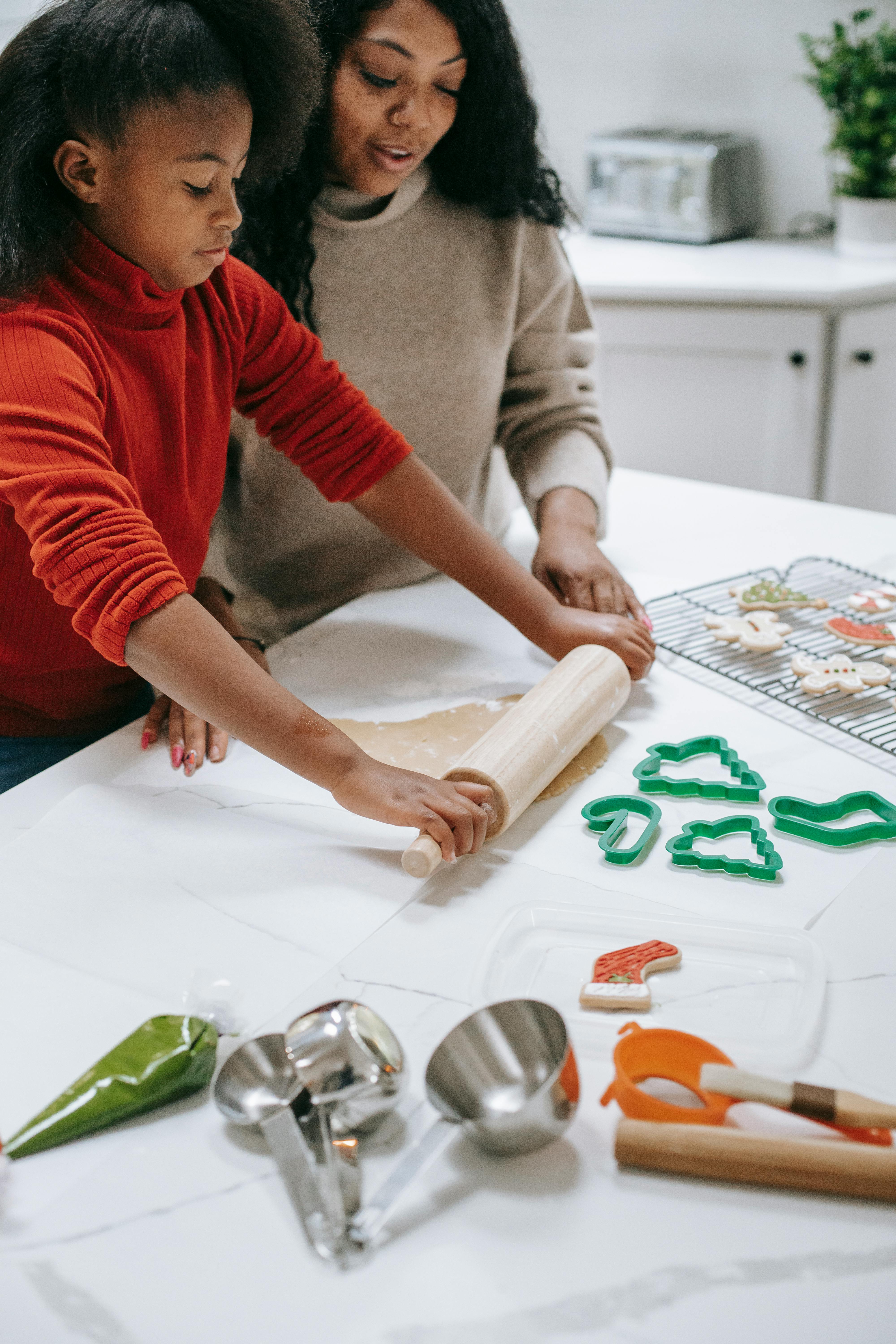
That’s why the upcoming holiday break is the perfect opportunity to hit pause on the tech and plan a few screen-free family moments. Not to make anyone feel guilty, but to rediscover how good it feels to simply be together. Whether your kids are building snowmen, baking cookies, or just hanging out by the fireplace, time spent unplugged helps everyone recharge in the best possible way.
In this post, we’ll talk about why screen-free time matters (backed by insights from HealthyChildren.org, the Child Mind Institute, and Operation Parent’s Handbook) and share simple activity ideas for families with kids in elementary, middle, and high school. By the end, you’ll have fresh inspiration to make this break not just restful—but truly connected.
First, here’s why setting aside screens is more than just “nice to do”—it’s important for connection, health, and wellbeing.
1. Protecting sleep, attention, mood & health.
The Child Mind Institute reminds us: not all screen time is created equal, and when screens take over, they can interfere with the things kids (and families) really need—sleep, face-to-face connection, movement, down-time.
Meanwhile, the American Academy of Pediatrics–backed site HealthyChildren.org urges parents to ensure media use is not displacing other important activities, such as sleep, family time, and exercise.
In other words: when screens dominate, kids may miss out on what they need to thrive—not just academically, but socially, emotionally, physically.
2. Building real-life connection and memories.
Simple, low-to-no-cost play (no screens required) strengthens the parent-child bond and gives you a chance to know your child better.
When you plan screen-free activities, you’re saying: “I value being with you; I value our time together.” That speaks volumes.
3. Strengthening boundaries and habits around technology.
It's not about demonizing screens; it's about balance. The Child Mind Institute puts it this way: “Start with wellness. What will make your kids’ time off screens feel meaningful, not just empty of screens?”
We also recommend building a family media plan that includes screen-free zones (like bedrooms and the kitchen table) and times (such as during meals, 1 hour before bed).
This upcoming holiday break offers a wonderful opportunity: to reset, to shift the pattern from “everyone on devices” to “everyone together, doing something real.”
How to plan screen-free breaks that stick
Here are some practical steps you can follow as the holiday approaches:
• Start with intention. Gather the family and talk: “Here’s our holiday goal. We want more times where we’re just together, no device distractions.”
• Set a simple plan with boundaries and flexibility. For example: “After noon each day we’ll turn off the TV/devices and do a non-screen activity until dinner.” Or “On two of the holiday evenings we’ll do a board-game night, no phones allowed.”
• Designate zones and times: make the dinner table or bedrooms screen-free zones.
• Lead by example. If parents are scrolling on their phones while expecting kids to unplug, the message gets mixed. Modeling behavior is a key part of your powerful influence as a parent.
• Plan fun, not punishment. Screen-free shouldn’t feel like deprivation—it should feel like choice and excitement. Keep the activities interesting so kids (and teens) want to engage.
• Reflect together. At the end of the holiday, ask: “What was our favorite screen-free moment this break? What felt different?” This reinforces the value of connection over devices.
Screen-free activity suggestions by age
Here’s some activity ideas tailored to elementary, middle, and high school children. Pick and choose, adapt for your family, and let the holiday vibe set in.
Elementary (roughly grades K-5)
Kids at this age thrive on play, movement, imaginative tasks, team efforts.
• Board games or card games (classic favorites, or holiday themed)
• Baking or cooking together: pick a festive recipe and let them help measure, mix, decorate
• Nature scavenger hunt: bundle up (if it’s cold), explore outside. Or do a backyard “campout” (blankets, hot cocoa, stargazing)
• Arts & crafts: make holiday cards for friends/family, build a “gratitude tree” or “memory jar”
• Storytelling or reading aloud: pick favorite books or let each child pick a story to share
• Build a fort indoors with blankets & pillows, then play flashlight games, tell jokes or read together
These kinds of activities reflect what HealthyChildren.org calls “old-school play” that doesn’t need expensive toys but benefits imagination, creativity, and the connection you build with your child.
Middle School (grades ~6-8)
This age group may pull more toward screens, social media, games—but many also value time when it’s fun with family or friends.
• Collaborative challenge: pick a house project (re-arrange a room, reorganize a closet, create a photo wall)
• Escape room at home: set up clues around the house, make it family-friendly
• Outdoor activity: hiking, biking, sledding (weather permitting), or a night walk with a thermos of hot cocoa
• Cooking “Iron Chef” style: kids pick an ingredient, and everyone creates a dish together
• Volunteer or community service: wrap presents for a charity, bake for a neighbor, help somewhere local
• Family book club or podcast listening: pick a topic and discuss it afterward. Or play “Would you rather…” style games with deeper questions like “What’s one way you’d change the world?”
These activities promote connection, creativity, responsibility—and offer alternatives to passive screen time. While screens can feel like relaxation, sometimes simple analog activities are better at giving your brain a rest.
High School (grades ~9-12)
Teens are juggling lots of independence, social lives, academic pressure, and digital time. The goal here is to include them—not dictate.
• Planning a mini road trip or “stay-cation” together: involve them in the plan (destination, food, playlist)
• Host a themed game night: board games, card games, or improv acting games with family or friends
• Cooking dinner together: let them pick a menu, shop (online or in person), prep and serve
• Outdoor adventure: stargazing, night hike, or even just a walk and talk (without phones)
• Creative project: film a short family video (no phones during filming), or a music night, or start a scrapbook/Yearbook of family memories
• Service or mentorship: teens often value purpose. Volunteering together helps ties grow and gives meaning beyond screens
• Tech-free day: One day, agree on a “digital detox” period—no social media, no gaming, everyone does something offline; at the end, discuss how it felt
In all these, the protective factor is connection. When teens feel seen, heard, valued at home, they’re more likely to make choices aligned with their values.
Pulling it all together: a holiday screen-free challenge
Here’s a simple framework you can borrow or adapt:
• Kick-off conversation: Sit down with the family before the break. Share why you’re doing this (not to fight about screens, but to enjoy each other). Ask: What matters to us this break? What do we want to remember?
• Pick 1-2 screen-free commitments: For example: “Between 4 pm and dinner each day we’ll do a screen-free family activity.” Or “Two evenings we’ll do something outside together.”
• Choose a menu of activities (don’t forget the suggestions above) and let each person pick one they’re excited about.
• Designate tech-free zones/times: Meals, hour before bed, etc. Clear but flexible.
• Lead by doing: Parents unplug too—put phones away, be present.
• Reflect each day: At dinner or before bed, ask: What did we do today that felt good? What surprised you?
• Wrap-up chat at end of break: What did we like? What would we keep doing? Let kids contribute their thoughts.
Closing thoughts
Holiday breaks are golden opportunities—they bring relaxed schedules, fewer school demands, and so much potential for connection. By planning and leaning into screen-free time, you’re not just filling hours—you’re creating memory, strengthening your family bond, fostering healthy habits.
You’re also modelling something big for your kids: that life is worth living beyond the screen—that people are more important than pixels. That presence matters.
As the Operation Parent Handbook reminds us: you are the most powerful influence in your child’s life. And the Child Mind Institute’s guidance rings true: it’s not about eliminating screens entirely, but about values, experiences, balance.
When you plan a screen-free activity, you’re saying: “This matters. We matter. Doing something together matters.”
So here’s to the upcoming holiday break: may it be filled with laughter, connection, fresh air, creativity—and memories made side-by-side, not side-by-screen.
see more blogs from operation parent


%20(1).jpg)